유로판
치밀한 판의 표면에 만든 길로 물과 기체를 분배합니다.
TOPTITECH / PRODUCT ATLAS
먼저 어떤 물건인지, 다음은 어디에 쓰는지.
TOPTITECH를 기준으로 같은 종류의 공급사 자료를 나란히 살펴봅니다.
FROM MATERIAL TO PART
치밀한 판의 표면에 만든 길로 물과 기체를 분배합니다.
유로판과 촉매층 사이에 놓입니다. 내부의 연결된 빈 공간으로 물·기체가 지나가고, 금속 골격은 전기를 전달합니다.
배관 속 유체에서 입자를 거르는 제품군입니다. 다공성 금속이어도 스택의 PTL과는 쓰임이 다릅니다.
그림은 구조를 구분하기 위한 개념 표현입니다. PTL 위치·역할: Bekaert 공식 설명 ↗
01 / SELECT A PRODUCT
현재 확인한 12개 항목 · 업체 전체 취급 목록은 아닙니다.
사진·구조·용도·사양과 확보한 비교 자료를 아래에 모두 펼쳤습니다. 제품 이름을 누르거나 아래로 스크롤해서 볼 수 있습니다.
PRODUCT / 01
Porous titanium plate
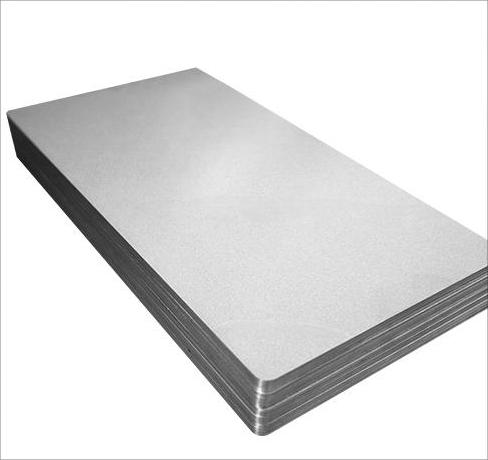
여과용 판과 Ti-based PTL 항목의 모델 관계 확인
공급사 기재값입니다. 같은 조건으로 시험한 성능 비교가 아닙니다.
공급 자료의 제품군 범위
C 7쪽의 Ti-based PTL 범위입니다. 기공 표기는 원문의 Accuracy / Pore Size입니다. C 3쪽 여과용 판은 최대 폭 500 mm로 다릅니다. H 1쪽의 두께 0.25–5 mm와도 합치지 않습니다.
분말 소결 Ti PTL · PEM
2024년 3월 데이터시트의 제품군 범위. 두께 공차는 0.001″와 0.125 mm를 함께 적어 단위가 불일치하므로 비교값에서 제외했습니다.
PEM 산소극 PTL로 제안하는 정확한 모델은 무엇이고 여과용 판과 어떻게 다른가요?
PRODUCT / 02
Titanium fiber felt
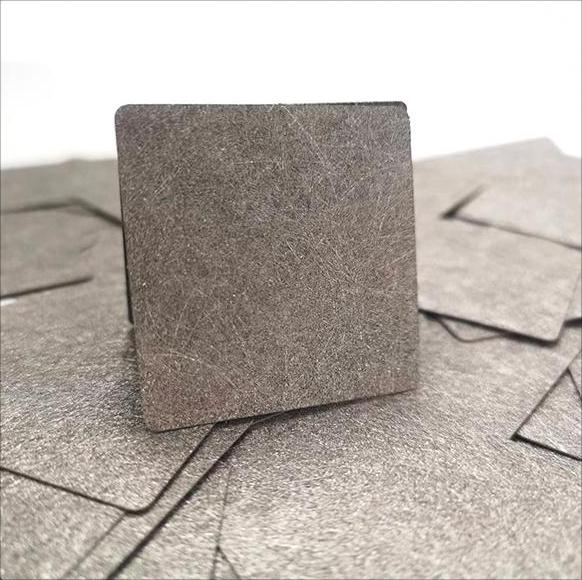
펠트는 섬유가 얽힌 구조입니다. 치밀한 판에 구멍을 뚫은 것과 다릅니다.
공급사 기재값입니다. 같은 조건으로 시험한 성능 비교가 아닙니다.
공급 자료의 제품군 범위
C 9쪽 제품군 범위이며 시료 실측값이 아닙니다. GDL/LGDL이라는 표기도 있지만 이름만으로 다른 항목과 같은 모델이라고 볼 수 없습니다.
Currento · 금속 섬유 PTL
2023년 브로슈어의 Currento 전체 범위입니다. Ti·Ni·SS를 함께 소개하므로 이 수치를 특정 Ti 또는 Ni 모델의 규격으로 확정할 수 없습니다. Pt 코팅은 주문 옵션으로 기재합니다.
PEM용 추천 모델의 섬유 직경·두께·코팅 옵션은 무엇인가요?
PRODUCT / 03
Titanium porous plate + mesh
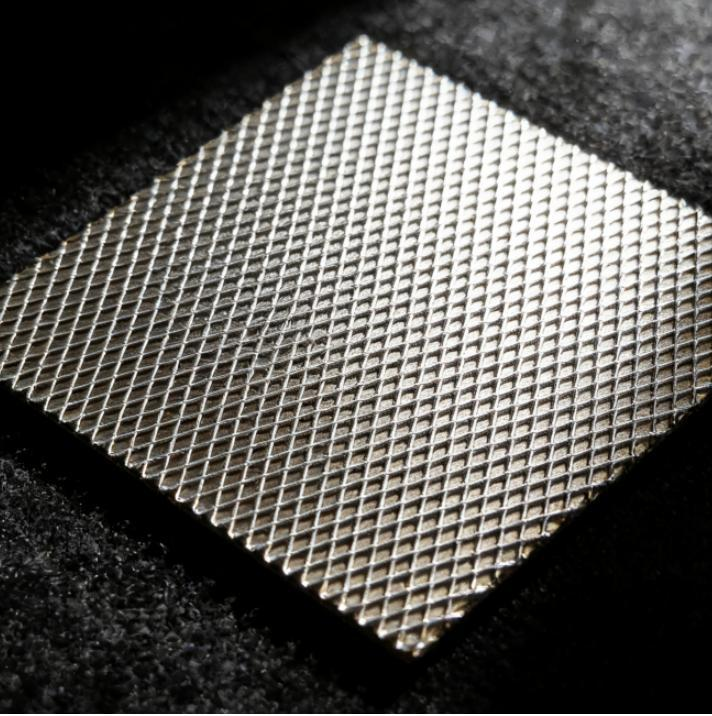
층별 재질과 결합 상태 확인
공급사 기재값입니다. 같은 조건으로 시험한 성능 비교가 아닙니다.
공식 페이지의 개별 예시
공식 40 × 40 × 1.0 mm 예시. 10 µm는 다공판의 기공 표기이고 3 × 6 mm는 메시 개구입니다. 같은 지표가 아닙니다.
다층 Ti PTL · 확장 금속 지지체
2025년 자료. 확장 금속 구성은 요구에 따라 달라집니다. 2쪽 치수표의 길이 ≤1,400 mm와 같은 쪽 그림의 1,450 mm가 달라 확인이 필요합니다. 표 수치를 인용했습니다.
판과 망은 영구 결합인가요? 층 순서와 촉매에 닿는 면은 어디인가요?
PRODUCT / 04
Titanium flow-field plate
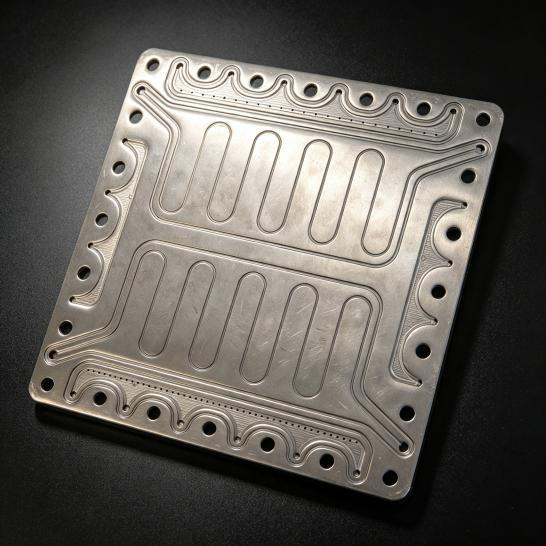
PTL과 구분. 바이폴라 플레이트 완성품인지 확인
공급사 기재값입니다. 같은 조건으로 시험한 성능 비교가 아닙니다.
공급 자료의 제품군 범위
H 2–3쪽 기재값입니다. 유로 가공판인지 완성 바이폴라 플레이트인지, 도면·밀봉·양면 구성을 확인해야 합니다.
이 항목에 대응하는 경쟁사 원문을 아직 연결하지 않았습니다. 제품이 없다는 의미는 아닙니다.
유로 가공판, 완성 바이폴라 플레이트, 판재 중 무엇인가요? 도면이 있나요?
PRODUCT / 05
Porous nickel powder plate
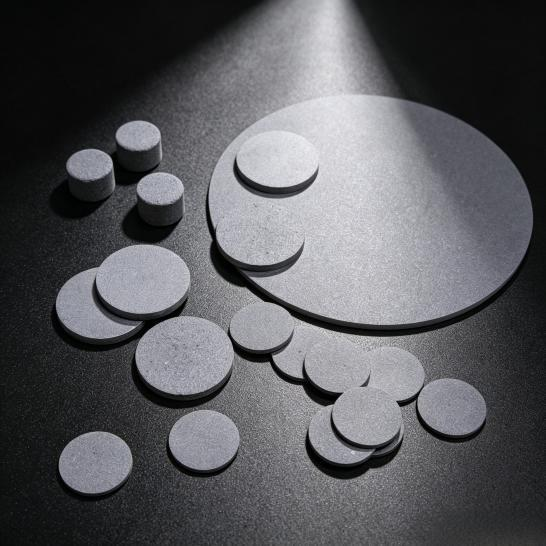
티타늄 제품과 재질·적용방식이 다름
공급사 기재값입니다. 같은 조건으로 시험한 성능 비교가 아닙니다.
공식 페이지의 개별 예시
직경 60 mm인 공식 페이지 예시입니다. 원문은 10 µm를 Filtration grade/Pore size로 표기합니다. AEM 풀네임 오기와 Ti 문장 혼입이 있어 모델별 문서 확인이 필요합니다.
이 항목에 대응하는 경쟁사 원문을 아직 연결하지 않았습니다. 제품이 없다는 의미는 아닙니다.
어떤 AEM 구성과 어느 전극 쪽에 사용하는 니켈판인가요?
PRODUCT / 06
Nickel fiber felt
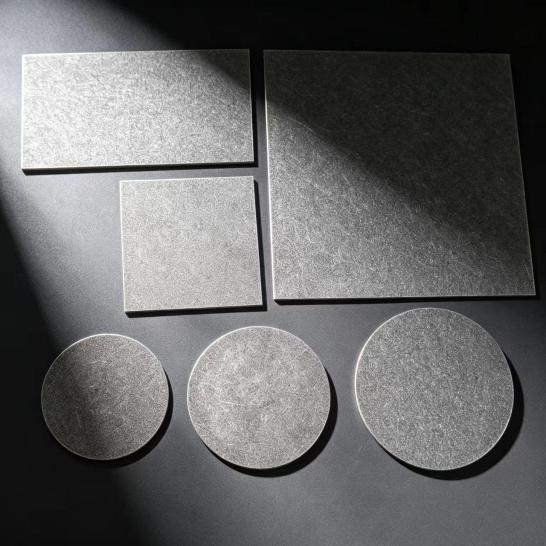
니켈 폼과 다른 구조
공급사 기재값입니다. 같은 조건으로 시험한 성능 비교가 아닙니다.
공급 자료의 제품군 범위
C 10쪽 범위입니다. 공식 0.8 mm 페이지의 Ni200/Ni201, 400 × 400 mm, 60–78%는 별도 예시이므로 합치지 않습니다.
Currento · 금속 섬유 PTL
2023년 브로슈어의 Currento 전체 범위입니다. Ti·Ni·SS를 함께 소개하므로 이 수치를 특정 Ti 또는 Ni 모델의 규격으로 확정할 수 없습니다. Pt 코팅은 주문 옵션으로 기재합니다.
모델별 니켈 등급·섬유 종류와 권장 AEM 전극 위치는 무엇인가요?
PRODUCT / 07
Nickel foam
사진 미수록 · 아래 공식 출처에서 확인
전해액·AEM/AWE 구분은 추가 확인
공급사 기재값입니다. 같은 조건으로 시험한 성능 비교가 아닙니다.
공식 페이지의 개별 예시
공식 10 mm 폼 예시. 수전해용 전극 기재로 소개하지만 특정 PEM/AEM/AWE 방식과 운전 조건은 미확인입니다.
이 항목에 대응하는 경쟁사 원문을 아직 연결하지 않았습니다. 제품이 없다는 의미는 아닙니다.
알칼라인 수전해용인가요, AEM용인가요? 무코팅인가요, 촉매 코팅품인가요?
PRODUCT / 08
Coated plates, felts and electrodes
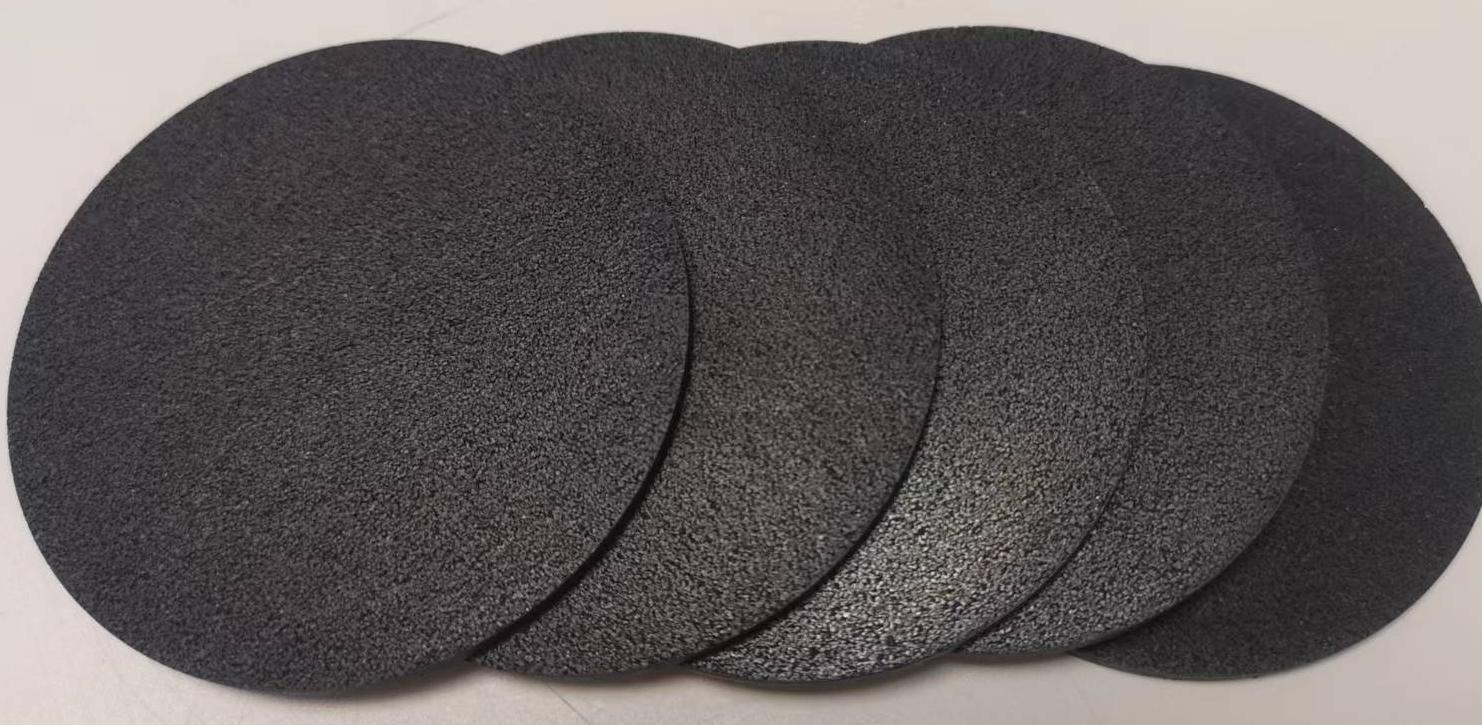
코팅은 기재에 더하는 옵션입니다. 별도의 기공 구조를 뜻하지 않습니다.
공급사 기재값입니다. 같은 조건으로 시험한 성능 비교가 아닙니다.
여러 기재에 대한 코팅 옵션
C 8쪽 및 공식 시트의 범위입니다. Pt / Ir-Ta / Ru-Ir의 화학 형태, 코팅 면과 측정 기준, 보호층인지 촉매층인지를 확인해야 합니다.
이 항목에 대응하는 경쟁사 원문을 아직 연결하지 않았습니다. 제품이 없다는 의미는 아닙니다.
기재·코팅 조성과 역할은 무엇인가요? 접촉 보호층인가요, 전극 촉매층인가요?
PRODUCT / 09
Expanded metal / Woven wire mesh
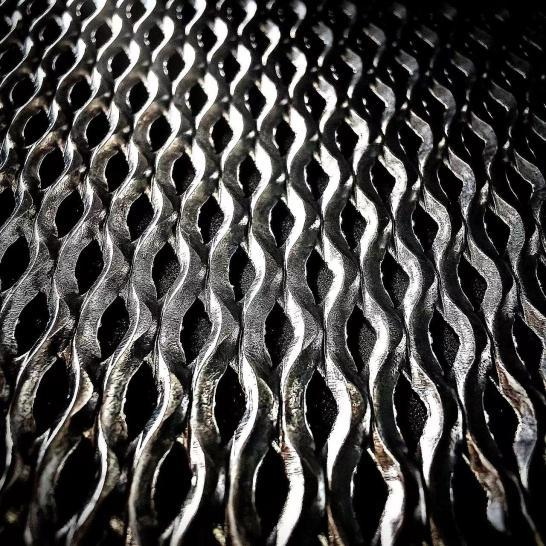
망의 큰 개구와 미세기공을 구분
공급사 기재값입니다. 같은 조건으로 시험한 성능 비교가 아닙니다.
공식 페이지의 개별 예시
공식 GR1 확장망 예시입니다. H에는 Ni 확장망과 Ti 직조망도 있습니다. 망을 단독 완성 PTL로 간주하지 않습니다.
이 항목에 대응하는 경쟁사 원문을 아직 연결하지 않았습니다. 제품이 없다는 의미는 아닙니다.
다공층의 지지망, 전극 기재, 단독 수송층 중 어떤 역할인가요?
PRODUCT / 10
Metal felt-mesh composite
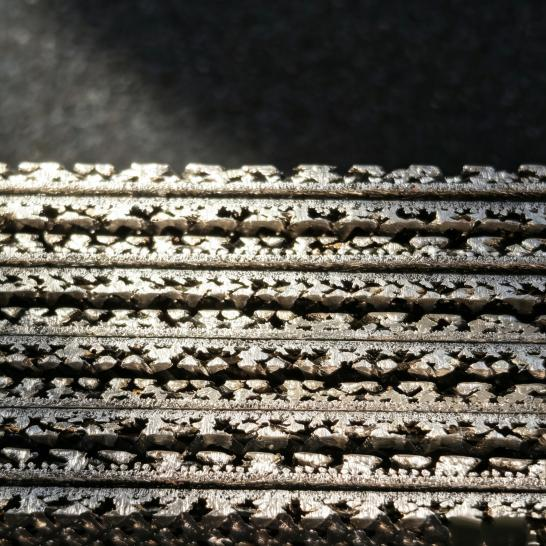
선택 재질 모두가 모든 셀에 맞는 것은 아님
공급사 기재값입니다. 같은 조건으로 시험한 성능 비교가 아닙니다.
공급 자료의 제품군 범위
H 7쪽의 여러 재질·용도를 묶은 항목입니다. 나열된 재질 모두가 PEM/AEM의 모든 위치에 맞는다는 뜻은 아닙니다.
이 항목에 대응하는 경쟁사 원문을 아직 연결하지 않았습니다. 제품이 없다는 의미는 아닙니다.
모델별 실제 재질·층 순서와 해당 적용처를 알려주실 수 있나요?
PRODUCT / 11
Sintered metal filter elements
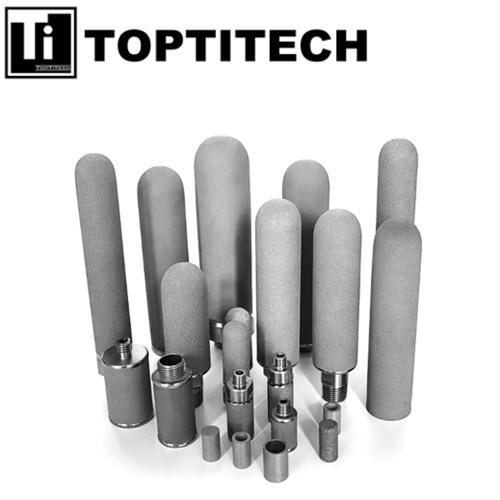
수소 순도 보장이나 수소 분리막과 구분
공급사 기재값입니다. 같은 조건으로 시험한 성능 비교가 아닙니다.
공식 페이지의 개별 예시
표는 공식 SS316L 원판 예시, 사진은 C의 필터 제품군입니다. 수소 정제라는 소개만으로 분자 분리·순도·압력 적합성을 인정할 수 없습니다.
이 항목에 대응하는 경쟁사 원문을 아직 연결하지 않았습니다. 제품이 없다는 의미는 아닙니다.
우리 수소 공정에 맞는 모델은 무엇을 제거하며, 유량·압력 조건은 무엇인가요?
PRODUCT / 12
Sintered mesh / Pleated filters
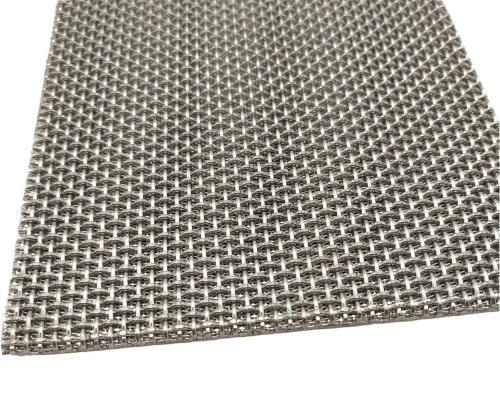
5층 메시판을 Ti PTL로 분류하지 않기
공급사 기재값입니다. 같은 조건으로 시험한 성능 비교가 아닙니다.
공급 자료의 제품군 범위
C 6쪽의 5층 SS 메시판 예시입니다. 2–300 µm는 원문의 Accuracy / Pore Size 표기입니다. C 4–5쪽의 메시·주름 필터와 구분하며, PEM용 Ti PTL로 분류할 근거는 없습니다.
이 항목에 대응하는 경쟁사 원문을 아직 연결하지 않았습니다. 제품이 없다는 의미는 아닙니다.
일반 산업용 필터 중 수소 시스템 전용 사양이 있는 모델도 있나요?
Photos, structure, use, specifications and available comparisons are listed below. Follow an index link or scroll to read.
PRODUCT / 01
Porous titanium plate
Confirm which model is a PEM anode PTL and how it differs from the filtration plate.
Supplier-published information, not performance tests under matched conditions.
Product-family range in supplied literature
Range for Ti-based PTL on C p.7. Pore values use the source label Accuracy / Pore Size. The filtration plate on C p.3 has a different maximum width (500 mm). Do not combine this with the 0.25–5 mm range on H p.1.
Sintered powder Ti PTL · PEM
Product-family range in the March 2024 sheet. Thickness tolerance lists inconsistent values (0.001″ and 0.125 mm); it is excluded here.
Which specific model is intended for a PEM anode PTL, and how does it differ from your filtration plate?
PRODUCT / 02
Titanium fiber felt
A felt is a fiber network, not a solid sheet with drilled holes.
Supplier-published information, not performance tests under matched conditions.
Product-family range in supplied literature
Family range on C p.9, not sample measurements. GDL/LGDL labels also appear; names alone do not establish model identity.
Currento · metal-fiber PTL
Ranges for the Currento portfolio in the 2023 brochure, which covers Ti, Ni and SS. These are not specifications for a particular Ti or Ni model. Pt coating is listed as an option.
Which felt models do you recommend for PEM electrolysis, and what are their fiber diameter, thickness and coating options?
PRODUCT / 03
Titanium porous plate + mesh
Confirm the bonded layer stack and which face contacts the catalyst.
Supplier-published information, not performance tests under matched conditions.
Example on the official product page
Official 40 × 40 × 1.0 mm example. The 10 µm designation describes the porous plate; 3 × 6 mm describes mesh openings. These are different metrics.
Multilayer Ti PTL · expanded-metal support
2025 sheet. Expanded-metal configuration is customizable. The p.2 table lists length ≤1,400 mm, while its illustration says 1,450 mm. Confirmation is needed; the table value is used here.
Are the porous plate and mesh permanently bonded? Please identify the layer stack and the side facing the catalyst.
PRODUCT / 04
Titanium flow-field plate
A flow-field plate and a porous transport layer are different parts.
Supplier-published information, not performance tests under matched conditions.
Product-family range in supplied literature
Values from H pp.2–3. Confirm the drawing, sealing and two-sided design to distinguish a machined flow-field plate from a complete bipolar plate.
No corresponding competitor source has been linked for this entry yet. This does not mean no competing product exists.
Is this a machined flow-field plate, a complete bipolar plate, or a plate blank? Please share the drawing.
PRODUCT / 05
Porous nickel powder plate
Nickel material and AEM application must not be transferred to PEM by analogy.
Supplier-published information, not performance tests under matched conditions.
Example on the official product page
Official Ø60 mm example. The page labels 10 µm as Filtration grade/Pore size. An incorrect expansion of AEM and stray Ti text require model-specific confirmation.
No corresponding competitor source has been linked for this entry yet. This does not mean no competing product exists.
Which AEM configuration and electrode side is this nickel plate intended for?
PRODUCT / 06
Nickel fiber felt
Nickel felt and nickel foam have different structures.
Supplier-published information, not performance tests under matched conditions.
Product-family range in supplied literature
Range on C p.10. The official 0.8 mm page separately lists Ni200/Ni201, 400 × 400 mm and 60–78%; do not merge these examples.
Currento · metal-fiber PTL
Ranges for the Currento portfolio in the 2023 brochure, which covers Ti, Ni and SS. These are not specifications for a particular Ti or Ni model. Pt coating is listed as an option.
Please confirm the nickel grade, fiber type and recommended AEM electrode side for each felt model.
PRODUCT / 07
Nickel foam
Photo not included · see the official source below
The electrolyte and electrolysis type need confirmation.
Supplier-published information, not performance tests under matched conditions.
Example on the official product page
Official 10 mm foam example. Listed as an electrode substrate for water electrolysis; specific PEM/AEM/AWE type and operating conditions remain unconfirmed.
No corresponding competitor source has been linked for this entry yet. This does not mean no competing product exists.
Is this foam intended for alkaline water electrolysis or AEM electrolysis? Is it supplied bare or catalyst-coated?
PRODUCT / 08
Coated plates, felts and electrodes
Coating is an option on a substrate, not a separate pore structure.
Supplier-published information, not performance tests under matched conditions.
Coating options across several substrates
Ranges from C p.8 and the official sheet. Confirm coating chemistry, covered faces, measurement basis, and whether it provides contact protection or catalysis.
No corresponding competitor source has been linked for this entry yet. This does not mean no competing product exists.
For each coated product, what is the substrate, coating chemistry and intended function: contact protection or electrochemical catalysis?
PRODUCT / 09
Expanded metal / Woven wire mesh
Large mesh openings and micropores are different measurements.
Supplier-published information, not performance tests under matched conditions.
Example on the official product page
Official GR1 expanded-mesh example. H also includes Ni expanded mesh and Ti woven mesh. Do not assume the mesh is a complete standalone PTL.
No corresponding competitor source has been linked for this entry yet. This does not mean no competing product exists.
Is the mesh supplied as a support for a porous layer, an electrode substrate, or a standalone transport layer?
PRODUCT / 10
Metal felt-mesh composite
Match each material and layer configuration to its actual application.
Supplier-published information, not performance tests under matched conditions.
Product-family range in supplied literature
H p.7 groups several materials and uses. This does not mean every listed material is suitable for every position in PEM or AEM cells.
No corresponding competitor source has been linked for this entry yet. This does not mean no competing product exists.
Please list the actual material and layer sequence for each composite model, and its intended application.
PRODUCT / 11
Sintered metal filter elements
A particle filter is not automatically a hydrogen separation membrane.
Supplier-published information, not performance tests under matched conditions.
Example on the official product page
The table describes an official SS316L disc; the photo shows the filter family in C. A hydrogen-purification claim does not establish molecular separation, purity or pressure suitability.
No corresponding competitor source has been linked for this entry yet. This does not mean no competing product exists.
Which specific filter model is suitable for our hydrogen-related process, what does it remove, and under which operating conditions?
PRODUCT / 12
Sintered mesh / Pleated filters
Do not classify the five-layer stainless-steel mesh sheet as a titanium PTL.
Supplier-published information, not performance tests under matched conditions.
Product-family range in supplied literature
Five-layer SS mesh-sheet example on C p.6. The source labels 2–300 µm as Accuracy / Pore Size. This is separate from the mesh and pleated filters on pp.4–5, and is not established as a Ti PTL for PEM.
No corresponding competitor source has been linked for this entry yet. This does not mean no competing product exists.
Which of these are general industrial filters, and do any have a dedicated hydrogen-system specification?